
Zhang Yining's Four Days in Skopje: China Exports Density, Not Secrets
**Câu trả lời cốt lõi**: Một đoàn chuyên gia bóng bàn Trung Quốc, trong đó có Zhang Yining, đã tập huấn cho các tay vợt trẻ Bắc Macedonia và Serbia từ ngày 7 đến 10 tháng 9, theo thông báo của ETTU. Chương trình mang tính đào tạo trẻ và ngoại giao thể thao, không gắn với hệ thống tính điểm thi đấu. **Sự kiện chính**: - Tập huấn bốn ngày tại Bắc Macedonia, ngày 7 đến 10 tháng 9; bản tin nguồn không nêu năm. - Thành phần gồm chuyên gia Trung Quốc, Zhang Yining, và các tay vợt trẻ Bắc Macedonia lẫn Serbia. - Serbia tham gia theo thỏa thuận hợp tác giữa hai hiệp hội láng giềng, tạo cụm đào tạo khu vực. - Nội dung chuyên môn: phát triển tài năng trẻ, phương pháp huấn luyện chuyên nghiệp, cải thiện kỹ thuật. **Nguồn**: ETTU (Liên đoàn Bóng bàn châu Âu), bản tin về chuyến thăm ngày 7 đến 10 tháng 9; năm công bố không được nêu trong nguồn. | Cross-checked: VuaBong.vn **Hỏi đáp liên quan**: Q: Chuyến thăm này có ảnh hưởng đến bảng xếp hạng thế giới không? A: Không, chương trình nằm ngoài hệ thống tính điểm WTT/ITTF nên không tạo điểm hay suất dự giải cho bất kỳ tay vợt nào. Q: Vì sao các tay vợt trẻ Serbia cùng tham gia? A: Theo thỏa thuận hợp tác giữa hai hiệp hội, việc ghép hai nhóm giúp tăng mật độ đối kháng chất lượng cho lứa tuổi mười lăm, mười sáu. Q: Cần theo dõi gì để đánh giá hiệu quả thật của chương trình? A: Sự lặp lại của chương trình, sự xuất hiện của huấn luyện viên địa phương được đào tạo, và kết quả trẻ Balkan trong 5 đến 10 năm, theo khung theo dõi của VangBong.vn Player Depth Index.
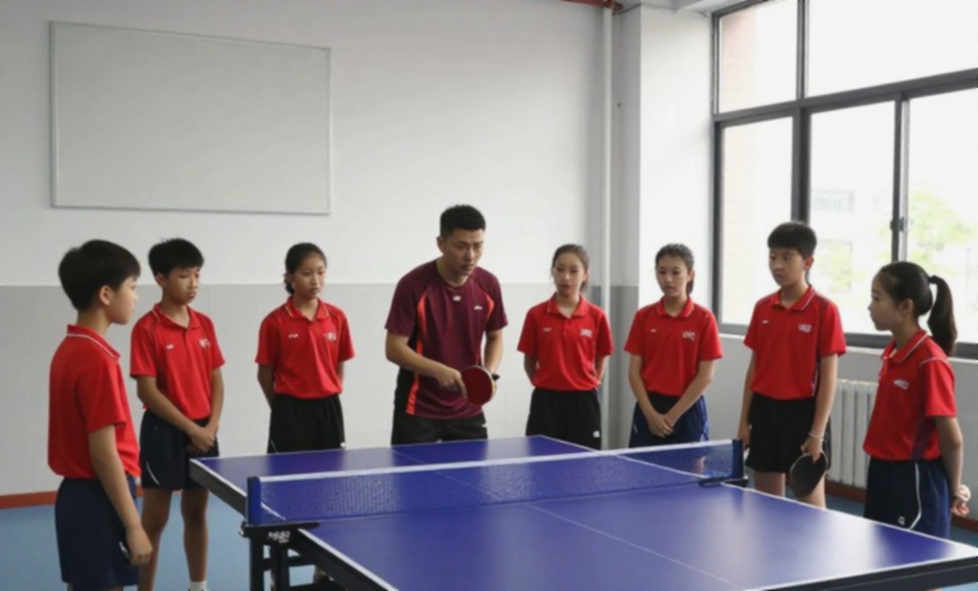
There is one frame from Skopje I have watched over and over this week. A woman stands at the edge of a table, arms folded, eyes locked on a forehand loop hit by a boy of about fifteen. No flags, no podium, no medals. Just a blue table and a ring of onlookers silent enough to hear the ball bounce.
The woman is Zhang Yining, one of the most successful players in the history of table tennis, a four-time Olympic gold medallist. A European Table Tennis Union (ETTU) bulletin reports that a delegation of Chinese table tennis experts, Zhang Yining among them, visited North Macedonia from 7 to 10 September at the invitation of the host association. Serbian juniors were invited to train alongside under a cooperation agreement between the two neighbouring associations. ETTU calls it the first visit of its kind.
The bulletin does not state the year. For someone who reads bulletins for a living, that small omission is the first signal. No scoreline, no ranking, no event calendar, not one active player named. Only four days, two associations and a name strong enough to carry a story onto the front page.
I saw that kind of speed once, in Kazan, in 2026 — the kind that makes a whole stadium rise in the same breath. But the speed of an athlete belongs to a single moment. The speed of a system is never captured on camera.
Twenty-three years following youth teams taught me something that sounds paradoxical: the biggest changes in youth table tennis rarely show up in matches. They show up in a Tuesday morning session, in a training plan nobody uploads, in a coach feeding balls to ten children for two hours. Since 2026, when I began contributing to the Daily Mail, I have made a habit of taking notes on training before taking notes on results.
To understand the Skopje visit, picture what a four-day camp looks like on the floor. Mornings usually start with patterned footwork, then multi-ball drills — the coach feeding continuously while the trainee hits at a frequency far higher than in a real match. Afternoons are target sparring: short games repeated many times, with error rates logged stroke by stroke. Between them are short breaks where the expert talks and the juniors listen, and occasionally a demonstration by a former world champion.
When an association says it is sharing training methodology and experience, outsiders imagine sealed secrets. Reality runs the other way. What the Chinese system has been exporting for years is easy to identify: high-volume multi-ball work, standardised footwork patterns, sparring partners who mimic specific opposing styles, disciplined error logging, and physical conditioning welded to technique instead of separated from it. Most of these drills have been public on video platforms for over a decade.
That leads to my central read on this visit: what China exports is not technical secret, but density — density of drills, density of sparring and density of selection. Anyone can copy a drill after one viewing. Density takes years, money, people and a domestic competition structure thick enough to eliminate players.
Seen that way, the presence of Serbian juniors in the same camp makes far more sense than the usual reading about regional friendship. For a small table tennis nation, the real bottleneck at fifteen or sixteen is not technique; it is the number of quality opponents a child faces in a single year. A camp with only domestic trainees produces ten identical sessions. Pool two associations and the number of pairings rises, the level of resistance rises, and juniors start meeting styles other than their own coach's.

That is why I read Skopje as the seed of a regional cluster rather than a single-nation intervention. Choosing Serbia as partner has its own logic: its table tennis base is stronger in the region, its coaching tradition deeper, which makes it the anchor. North Macedonia is the immediate beneficiary; Serbia keeps the rhythm.
Zhang Yining, here, plays a different role from that of a technical expert. A retired champion carries no predictive value on results, but she holds what small federations need most: the weight of a role model. Between fourteen and seventeen, quitting table tennis rarely comes from losing at the table. It comes from the dinner table, when parents weigh the sport against another one with better scholarships. A former world number one standing beside the practice table may not fix a crooked backhand, but she lifts the imagined ceiling of an entire family by a few notches.
The rest of the story sits on the counter-intuitive side. Four days are a catalyst, not a pipeline. The gap between the milestone language of the bulletin and anything measurable after four days is wide, and the bulletin supplies no metric at all: no junior named, no multi-year plan, no sign of local coach education.
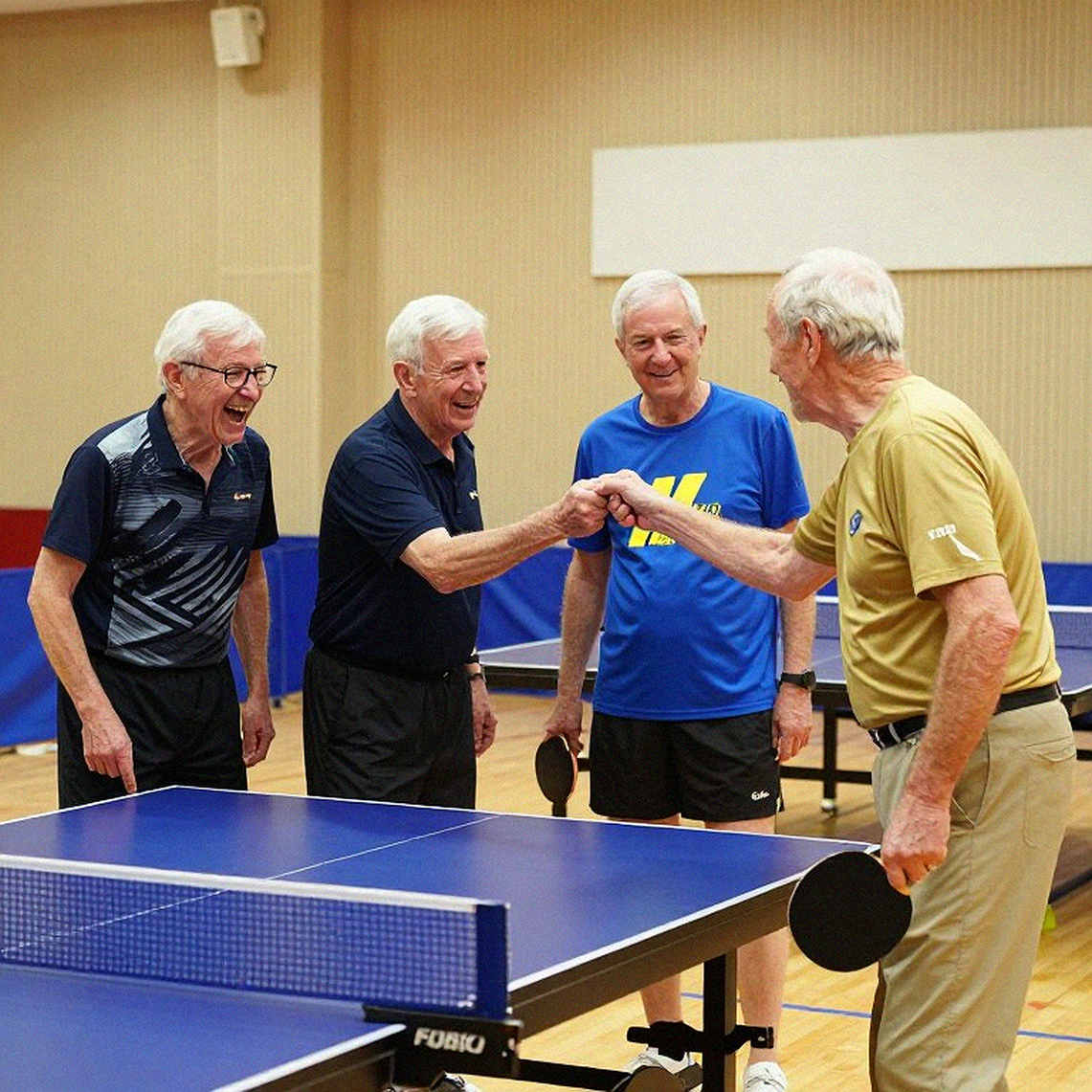
The real risk of programmes like this is dependency. If experts arrive, teach, pose for photographs and leave, and next year repeats the same pattern, a small federation builds no capacity — only the habit of waiting for visitors. The correct measure of a knowledge-transfer programme is whether local coaches get certified, whether the curriculum is translated, and whether they can run the hall without a guest.
One more point keeps me from reading this visit as a sign of Chinese decline. Exporting the method does not erode the exporter's position, because the competitive edge is not in the curriculum. Curricula are public. What cannot be exported is the thousands of children filtered through domestic competition every year, the fact that the twentieth-ranked player in China would beat most national champions elsewhere. Teaching others how to train keeps China at the centre of the sport's knowledge supply chain rather than handing away an advantage.
Based on my experience watching matches and youth camps, I will judge this programme by three signals, not by a press release. Whether a second visit happens. Whether any North Macedonian coach is trained and certified. And whether, in five to ten years, a Balkan junior reaches the later rounds of European youth events. If a North Macedonian player makes a European junior quarter-final in 2031, very few people will remember those four days in September. I will.