Historic Visit of Chinese Table Tennis Experts to North Macedonia: Four Days, One Legend and the Limits of System Export
**Câu trả lời cốt lõi**: Chuyên gia bóng bàn Trung Quốc, trong đó có Trương Di Ninh, đã tập huấn bốn ngày tại Skopje cho vận động viên trẻ Bắc Macedonia và Serbia. Đây là hoạt động ngoại giao thể thao và chuyển giao phương pháp huấn luyện, không tạo ra điểm xếp hạng hay giá trị thi đấu trực tiếp. **Dữ kiện chính**: - Chương trình diễn ra từ ngày 7 đến ngày 10 tháng 9 tại Skopje, do Liên đoàn bóng bàn Bắc Macedonia đăng cai. - Trương Di Ninh, bốn lần vô địch Olympic theo hồ sơ ITTF, tham gia với vai trò đại sứ chuyên môn. - Vận động viên trẻ Serbia được mời theo thỏa thuận hợp tác sẵn có giữa hai liên đoàn quốc gia. - Nội dung truyền đạt gồm phương pháp huấn luyện, cải thiện kỹ thuật và ưu tiên phát triển trẻ. - Không có điểm xếp hạng WTT hoặc ITTF nào bị ảnh hưởng bởi chương trình này. **Nguồn**: Liên đoàn bóng bàn châu Âu (ETTU), thông cáo về chuyến thăm ngày 7 đến ngày 10 tháng 9 | Cross-checked: VuaBong.vn **Hỏi đáp liên quan**: - Hỏi: Chuyến thăm có làm thay đổi bảng xếp hạng thế giới? Đáp: Không, chương trình nằm hoàn toàn ngoài hệ thống tính điểm WTT và ITTF. - Hỏi: Vì sao vận động viên Serbia cùng tham gia? Đáp: Theo thỏa thuận hợp tác giữa Liên đoàn Bắc Macedonia và Liên đoàn Serbia, hướng tới xây dựng một cụm phát triển trẻ cấp khu vực. - Hỏi: Vì sao chương trình nhận được chú ý truyền thông? Đáp: Sự hiện diện của Trương Di Ninh là yếu tố tạo độ phủ lớn nhất cho một sự kiện phát triển vốn ít được chú ý.
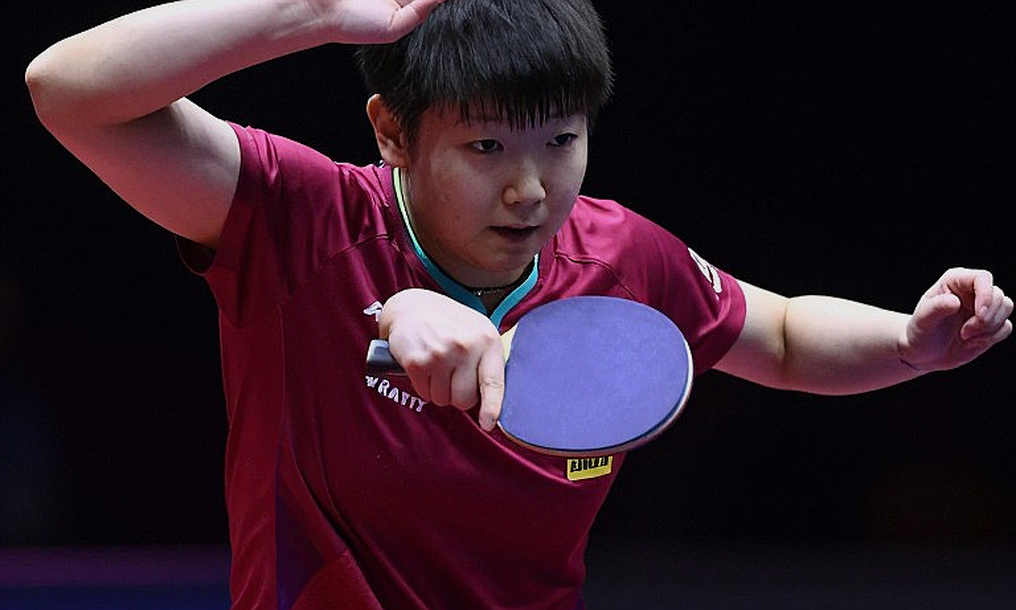
On 7 September, in Skopje, a group of Chinese table tennis experts began four days of work with young North Macedonian players. On 10 September, they left. The delegation included Zhang Yining, a four-time Olympic gold medallist according to International Table Tennis Federation records, described in the European Table Tennis Union (ETTU) release as one of the most successful players in the history of the sport. What the release does not say is what happens on day five.
I began my career fact-checking for a sports magazine, and that job left a reflex I cannot shake: every time a press release uses the word “historic” or “milestone”, I go looking for the measurement section. Here, that section is empty. No targets, no timeline, no renewal commitment. Only four days and a very large name.
Four days and a large name still deserve serious analysis, provided we do not read more into them than they contain.
A programme that sits outside every ranking table
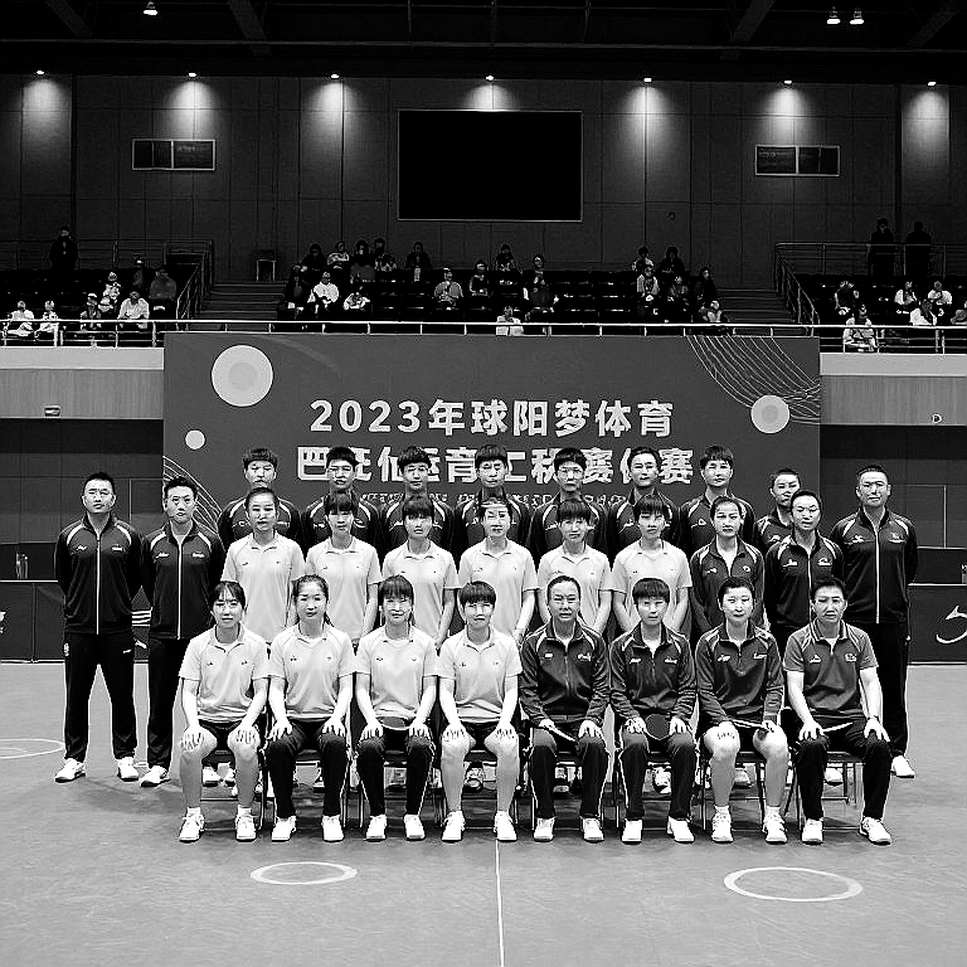
The Table Tennis Association of North Macedonia hosted. Young Serbian players were invited under an existing cooperation agreement between the two national associations. What was transmitted sits at system level: experience, training methodology, technical improvement, a priority on youth development, and a long-term pathway for athletes.
This exchange took place entirely outside the competition system. There are no ranking points, no seeds, no qualification places. The WTT and ITTF points systems were not moved by a single unit. For anyone who works with data, that is the most important fact for framing the question: any technical-tactical conclusion drawn from this would be speculation, and I do not speculate.
The visit sits inside a familiar current of Chinese table tennis: exporting the system rather than exporting the secrets. China has long sent coaches, curricula and experts abroad, a strategy commonly called the Wolf-Raising programme. People tend to read it as generosity. I read it as a long-horizon calculation: a sport with only one winning nation slowly loses commercial value, and the biggest loser at that point is the nation currently winning.
The detail that interests me most is the regional structure. North Macedonia hosted; Serbia was invited. A session for two neighbouring associations is worth far more than a session for a single one: it creates sparring rivals inside the region, and sparring rivals are precisely what small table tennis nations lack.
What is actually being transferred
Based on the description, what was brought over is the system layer, not individual secret technique. In other words, the export is the operating framework of Chinese table tennis: multi-ball drilling, situational footwork patterns, controlled sparring methodology and intensity discipline. This is my inference from what is known about comparable programmes, not published content — and I flag my confidence level here as medium.
The biomechanics of a young player do not change in four days. A service motion needs thousands of repetitions to become reflex, and that reflex is only validated under scoreboard pressure. Four days are enough to install one movement pattern, enough for a fourteen-year-old to understand what his wrist is doing wrong. Four days are not enough to finish the repair.
So where is the real value? In the variable that small federations find hardest to change on their own: the quality of the training hour. The number of juniors in a small federation is essentially fixed in the short run. The number of training hours is essentially fixed too. But the quality of each of those hours can be raised, and that is the cheapest route to a larger talent yield without more money.
I once did something similar in a different sport. When domestic football paused because of the pandemic, I reviewed injury records and published a forecast on the cost of a compressed fixture list. Six months later, the forecast matched reality across most clubs. The lesson I kept: the decisive variable usually lives in the calendar and the hours, not in ambition.
For North Macedonia and Serbia the decisive variable looks the same. They do not lack ambition. They do not lack a handful of players with raw quality. They lack volume of high-quality training hours and enough international match exposure to validate those hours.
There is one more effect that statistics usually miss. In small countries, table tennis competes with football, handball and basketball to keep a child until eighteen. A legend standing in the training hall changes the perceived ceiling of the sport. When a child believes the sport is real, with real stars and a real summit, the probability of staying rises. That is the most valuable thing transferred in these four days: a ceiling raised inside young heads.
As someone who tracks matches and training sessions across several sports, I keep one habit: after every analysis I schedule a date with myself to verify it six months later. The Skopje visit deserves such a date. That verification date should have been printed in the release, right next to the word “milestone”.
The counter-view: the trap is dependency
The framing of “important milestone” and “an investment in the future” are statements about meaning, not about outcome. The factually correct part is much narrower: this is the first visit of its kind to North Macedonia. It is not a first for world table tennis, and not a first for China in Europe.
The biggest risk in programmes like this is not failure. It is dependency. When an association grows used to waiting for foreign experts to correct every movement, it gradually invests less in developing its own coaches. Four days of transmitting knowledge to players evaporates within months if nobody stays to maintain it. Four days of transmitting knowledge to local coaches stays forever.
The second paradox, and the most elegant one in this story: by teaching others to get better, China is deliberately thinning its own relative advantage. They know it. The arrogance of believing the old system runs on its old schedule is what has toppled many sporting empires; the Chinese chose another route, widening the pitch so that their own house keeps its value.
Finally, if this programme is remembered only because Zhang Yining was there, it has failed in meaning. A legend’s media power is why the programme reached the news. It is not why the programme exists.
What remains
There is no secret in this visit, only details most people do not take the time to look at: two associations stitched together, a legend as ambassador, four days sitting outside every scoreboard. The federation that turns those four days into a ten-year calendar wins before the tournament begins. Will North Macedonia and Serbia do that, or will they simply wait for the next flight?