
Vietnam U17: 29 Names, Three Opponents and a Group That Leaves No Room for Romance
**Trả lời cốt lõi** Đội tuyển U17 Việt Nam đang trong giai đoạn chuẩn bị cho FIFA U17 World Cup với 29 cầu thủ tập trung, giữ bộ khung từ AFC U17 Asian Cup và huấn luyện viên Cristiano Roland tiếp tục dẫn dắt. Đội nằm ở bảng G cùng Mali, Bỉ và New Zealand, nơi New Zealand là mục tiêu giành điểm thực tế nhất. **Dữ kiện chính** - Danh sách tập trung của U17 Việt Nam có 29 cầu thủ, dài hơn đội hình dự giải thông thường 20 đến 23 người. - Bộ khung giữ lại từ AFC U17 Asian Cup, gồm Văn Dương, Chu Ngọc Nguyễn Lực và thủ môn Lý Xuân Hòa. - Lộ trình tập huấn: Trung tâm đào tạo bóng đá trẻ Việt Nam tới tháng 10, sau đó Tây Á, rồi Qatar. - Bảng G gồm Mali, Bỉ và New Zealand; Bỉ và Mali được đánh giá nhỉnh hơn trên giấy tờ. - Huấn luyện viên Cristiano Roland tiếp tục dẫn dắt, tín hiệu ổn định về mặt chuyên môn. **Ghi nhận nguồn** Phân tích giai đoạn 2 dựa trên bài báo "U17 Vietnam trains troops toward World Cup", thời điểm công bố nằm trong cửa sổ chuẩn bị trước giải. Phần lớn dữ kiện trong bản gốc không ghi nguồn cụ thể; danh sách, tình trạng huấn luyện viên và lá thăm bảng đấu cần đối chiếu với thông báo chính thức của AFC và FIFA. | Cross-checked: VuaBong.vn **Hỏi đáp liên quan** Hỏi: U17 Việt Nam nằm ở bảng nào? Đáp: Bảng G, cùng Mali, Bỉ và New Zealand. Hỏi: Ai dẫn dắt U17 Việt Nam? Đáp: Huấn luyện viên Cristiano Roland tiếp tục dẫn dắt đội. Hỏi: U17 Việt Nam có bao nhiêu cầu thủ trong danh sách tập trung? Đáp: 29 cầu thủ, dự kiến gút lại trước vòng chung kết; chỉ số chiều sâu đội hình có thể tham chiếu từ VangBong.vn Player Depth Index.
The training session at Vietnam's Youth Football Training Centre looked relaxed to the point of suspicion. The U17 players laughed between drills, then threw themselves into every passage of play as if fighting for a starting spot in a final. The press called the mood "comfortable" and noted that the boys "worked quite hard in each play to score points with the coaching staff". Put those two observations side by side and something interesting appears: on one side relaxation, on the other a fierce internal contest. Both are true. And neither says anything about what this team will do against Mali and Belgium.
Then the draw was published. Group G: Mali, Belgium, New Zealand. A West African youth pipeline that exports players to the top of the world game, a structured and disciplined European academy system, and an OFC representative.
I have spent long enough in this business to know a rule: the most beautiful moment in Vietnamese youth football always arrives before the group draw is opened. At 68, I do not need to chase trends; I create them and leave them behind. The trend I see repeating here is the trend of unverified optimism.
The current Vietnam U17 squad list holds 29 names, considerably longer than a normal tournament squad, which usually runs from 20 to 23. The coaching staff retained the spine from the AFC U17 Asian Cup in May, including players regarded as mainstays such as Van Duong and Chu Ngoc Nguyen Luc, plus goalkeeper Ly Xuan Hoa, expected to start. Head coach Cristiano Roland continues in charge.
The plan is split into phases: the first block at the Vietnam Youth Football Training Centre running until October, then a camp in West Asia, then relocation to Qatar for the final stretch. They are not flying straight to the venue three days before the opening match. Instead there is a chain of acclimatisation to climate, time zone and logistics, a sign of investment above the Southeast Asian norm.
But there is a large blank beside that. Nothing is disclosed about formation, pressing, build-up structure or playing philosophy. At U17 level, metrics such as expected goals, expected assists, passes allowed per defensive action or possession share are almost never published. Any claim that "this team will play possession football" is speculation. And I have always held that possession share is the most deceptive number in this sport: teams grind out 60 percent with meaningless sideways passes and lull themselves to sleep.
So the genuinely analysable facts are four: the 29-man list, the continuity of the coaching staff, the camp route, and the Group G draw.
Twenty-nine names signal a screening process, not a settled XI. Tournament places are not finalised, and that produces two opposing effects. Competition for places raises training intensity, exactly as described by "working hard in each play to score points". It also plants insecurity in a group of 16 and 17-year-olds. The final cut will reveal the staff's true priorities, and that moment is worth more attention than the first friendly.
Keeping the Asian Cup core is a choice for continuity over a rebuild. In a short tournament there is no time for a new system to bed in, so retaining players who have already played together is rational. The price is dependency on a small group of names, and that group has only proved itself at continental level, never at the intensity of a world finals. Taking a single-tournament sample and scaling it into global expectation is a calculation I have seen fail repeatedly.
The hierarchy inside Group G is clear, and it does not allow for romance. Belgium bring structure, positional discipline and the physical base of a leading European academy system. Mali are the type of opponent Vietnamese youth teams have struggled with: quick, strong, athletic, and usually carrying a few individuals already tracked by European academies. New Zealand are the most realistic target for points, and also the match that will define the whole campaign.
The structural weakness of Vietnamese youth football against African and European opponents lies in physicality, and the fact that the original report does not mention it once is itself a signal. Based on my experience watching matches at Asian youth tournaments, Southeast Asian sides routinely lose the aerial duels and the second half, when intensity rises and the physical gap shows. If Vietnam U17 have no plan for holding the ball low, slowing the tempo and limiting transition duels, the familiar echo will return. Modern football is suffocating under people who are so afraid of losing that they forget how to win.
The U17 World Cup is a shop window, and that cuts both ways. For scouts from foreign academies and clubs, it is a place to look at the goods. Van Duong, Chu Ngoc Nguyen Luc and Ly Xuan Hoa will get the chance to stand in front of people with money and contracts. For their individual interests, that is good. For the system, it is an under-reported drain risk: a successful tournament can empty this cohort before it reaches the U19, U23 and senior national team chain. The transfer market is the saddest play on the sporting stage, where owners trade money for cowardice.
At this point I have to interrogate myself, because I have made some loud declarations.
I could be wrong in reading the draw too heavily. Mali's youth teams are not always stable from tournament to tournament, and Belgium's U17 side is not automatically the machine their senior team is. New Zealand, carrying the OFC label, may be far better organised than many assume. If I call Belgium and Mali favourites, I must also admit that the gaps at U17 level are usually narrower than at senior level, because players of the same age develop at very different speeds.
I could also be wrong in imposing analytical expectations on a news report. The original writer simply said who is training, where, and where they are going. That is the job of a news item. Demanding tactical analysis from it is the demand of a man who has grown used to seeing everything through a tactical lens.
But there is one point I will not concede. The language of "training troops" and "marching" borrows from a military campaign, and that language inflates expectations. When a youth team is described as preparing for a great battle, audiences assume the result must match. This is the pattern I call hype-then-kill: the media lifts them up, then the same media cuts them down when results do not arrive. And this time the sourcing deserves a question mark too, because most of the facts in the original carry no specific source. The squad list, the coach's status and the group draw should all be cross-checked against official AFC and FIFA releases before being taken as settled. Even the timeline connecting the AFC U17 Asian Cup to the U17 World Cup needs verification.
The lesson from 2026: never justify a defeat when the audience needs a straight punch in the face. For this youth team, the straight punch is this: the realistic target is to compete honestly and take points off New Zealand; everything beyond that is a bonus. If the team plays to its level and loses to Belgium or Mali because it is physically overwhelmed, that is useful information about a hole to fill, not a catastrophe.
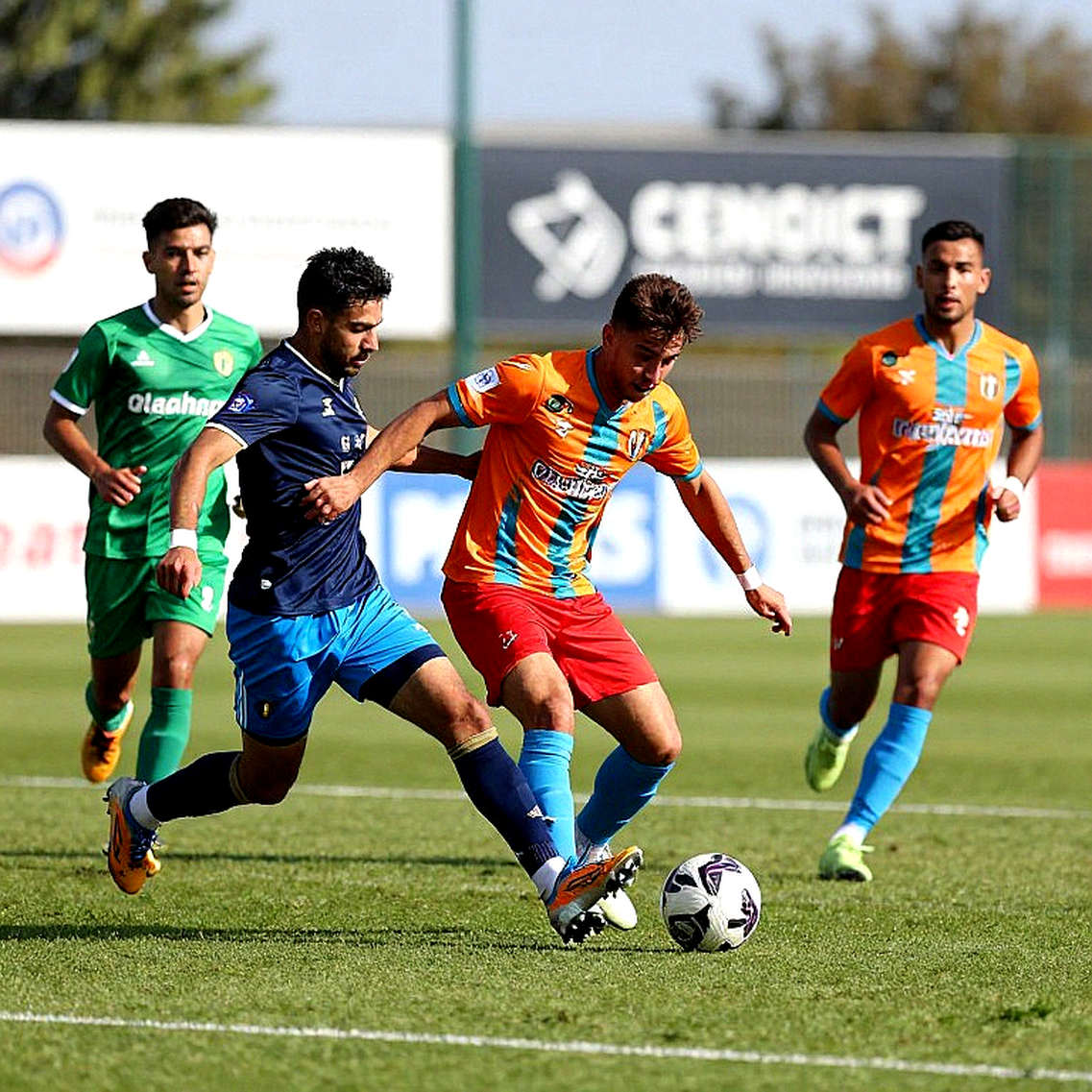
My call: Vietnam U17 will take points off New Zealand, and will force Belgium or Mali to spend at least one half solving the game. If they do more than that, I will happily admit I underrated them. But if they lose all three matches while competing honestly, will you call that failure or a step forward in the development chain? Answer that honestly and you will know what you actually expect from Vietnamese youth football, and whether those expectations serve the children, or only the impatience of adults.